Immigration timelines are usually filled with deadlines, paperwork, and decisions; therefore, the
ability to predict the total cost for your immigration
process is extremely important. The announcement
made by DHS and USCIS on September 1, 2026, regarding the increased cost of premium processing will also
make it more necessary to plan ahead when completing your immigration application. The increased fee is
simply a change in the processing fee, not a change in policy, and premium processing times have not
changed either. This blog will provide information for applicants and employers about what to expect in
this regard and encourage them to plan in advance so as to avoid unexpected costs in the future.
2. What Is Premium Processing and Why Do People Use It?
The premium processing fee refers to an optional expedited service requested via Form I-907 for
select
USCIS filings seeking faster action within a defined premium processing time. It’s
widely used when
timing is critical, such as job changes, travel planning, OPT transitions, or tight employment
authorization deadlines. People often choose premium service to maintain continuity in employment status
or decision certainty. While costs like the H1B fee,
application
fee for h1b visa, or an opt premium
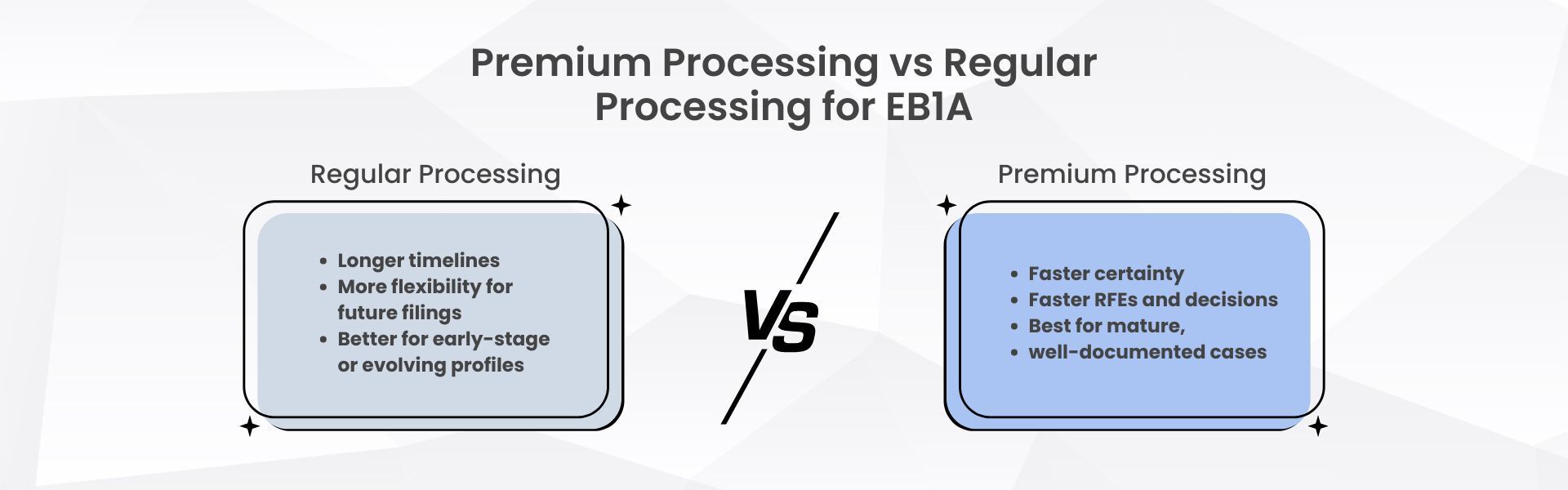
processing fee differ, the key benefit remains predictability when speed matters. EB1A Premium vs Regular Processing
Explained
3. What’s Changing in 2026?
From March 1, 2026, the premium processing fee will increase due to an inflation
adjustment based on the
Consumer Price Index. The premium processing time remains the same, only the costs change. These
adjustments apply to premiums filed postmarked on or after that date.
4. What Does This Mean for Candidates and Employers?
For Individuals
The increase in the premium processing fee means that the cost of filing for time-sensitive
applications
(for example, the I-140 Premium Processing Fee or the EB1A premium processing) will be
higher than in
previous years. However, the Premium Processing Service remains the same and will allow applicants to
get faster confirmation of their ability to work or obtain an approved work permit. This type of service
is still invaluable for applicants who are managing the transition from their Optional Practical
Training (OPT)/STEM OPT, planning their travel, and/or making employment decisions based on their start
date.
For Employers & Human Resource (HR) Professionals
Employers and HR professionals should adjust their immigration budget for 2026 to account for the
increase in premium processing service fee costs, as well as any other costs associated with filing for
visa services, such as H1B Premium processing. Employers should also evaluate their timeline for filing
expedited services to manage multiple filings during their busiest periods. Planning well in advance
will minimize the likelihood of rush filing requests and the costs associated with additional filings
created by timing bottlenecks.
5. What Has NOT Changed?
The premium processing fee is rising due to increased costs of providing the service, but premium
processing times and the assurance of approval remain unchanged. While premium processing provides
expedited decision-making, it does not eliminate USCIS requests for additional evidence.
6. How to Prepare Now?
It is important to plan for the future of your immigration strategy. If you anticipate filing an I-140
in late 2025 or early 2026, consider budgeting for the increased premium processing fee and any future
premium processing fees. Take time now to determine which cases will require an expedited answer and
make appropriate adjustments to your immigration strategy, budgeting, travel or appointment scheduling,
etc. This will help minimize the burden on yourself and others involved in the process.
7. Conclusion: Plan Early, Avoid Stress
Remember that although the cost of premium processing has increased, it does not diminish the benefits
of faster processing times and peace of mind. By preparing now and budgeting accordingly, applicants and
employers can confidently and clearly approach their immigration filings in 2026.
With the Premium processing fee increasing in 2026, early awareness is the best advantage.
Applicants
and employers who review timelines, budget accurately, and decide strategically on Premium processing
time can avoid rushed decisions and unexpected costs. Planning now helps maintain immigration
predictability, even as fees evolve.






 December 30, 2025
 3 min read