If you have been scrolling through immigration forums lately, you have probably seen the buzz: a
potential
windfall of 50,000 extra green cards hitting the system in 2027.
For many Indian professionals, this feels like a long-awaited light at the end of a very dark tunnel.
But before we break out the champagne, let’s take a breath.
In the world of US
immigration, headlines often tell one story while the fine print tells another. We
are
looking at a moment of cautious optimism, not a guaranteed victory. To make this work for you, we need
to
move past the hype and look at the actual mechanics of this projected spillover.
2. Where the 50,000 Extra Green Cards Narrative Comes From
So, where is this number actually coming from?
It is not just wishful thinking; it is rooted in how the system handles employment based green card
spillover. Currently, policy shifts and processing pauses in dozens of countries mean that
thousands
of unused family based green cards are not being issued. By law, if these numbers are not used by
the
end
of the fiscal year, they spill into the employment-based categories.
This creates a pool of extra visas that can significantly boost the annual limit. We have seen this
happen
before, most notably during the pandemic, and while historical precedent is not a promise of future
results, the math for 2027 is looking increasingly favorable for a repeat.
3. How Employment-Based Spillover Actually Works (And Its Limits)
Here is the reality check: how green card spillover works is a bit more complicated than just
adding 50,000 to the pile. Spillover is not an overnight process. It depends heavily on whether USCIS
actually has the staff and the bandwidth to process that extra volume before the clock runs out at the
end
of the year.
Plus, we have to talk about the EB green card spillover 2027 limits. Even with extra numbers, the
7% per-country cap still exists. While the total pool grows (meaning India gets a larger slice of the
pie),
it does not mean the line disappears. It just means the line might actually start moving for a change.
4. What This Could Mean Specifically for EB1A Applicants
If you are aiming for the EB1A Green Card, you are actually in the best possible position to
capitalize on this.
Why?
Because the law dictates that spillover numbers hit the EB-1 category first. If you are an Indian
high-achiever, EB1A
priority dates India are likely to be the first to see major movement.
So, will EB1 priority dates move in 2027? It is highly probable. Think of the spillover as a
tailwind.
It
is not going to fly the plane for you, but it is going to make your journey a whole lot faster if you
are
already in the air. EB1A applicants are better positioned than EB-2 or EB-3 because they are not
fighting
for the leftover leftovers.
5. Why Waiting for Spillover Alone Is a Risky Strategy
It is tempting to say, “I’ll just wait until 2027 to see if the dates move before I file”. But honestly,
that is a risky move. The employment-based visa backlog India is unpredictable, and spillover
windows can open and shut faster than you would think.
Should EB1A applicants wait for spillover to start their paperwork? Absolutely not.
USCIS has a habit of advancing dates rapidly and then retrogressing, which means moving them back, once
they get a surge of applications. If you are not ready to file the moment that window opens, you might
find yourself locked out for another several years. Being ready is more important than being lucky.
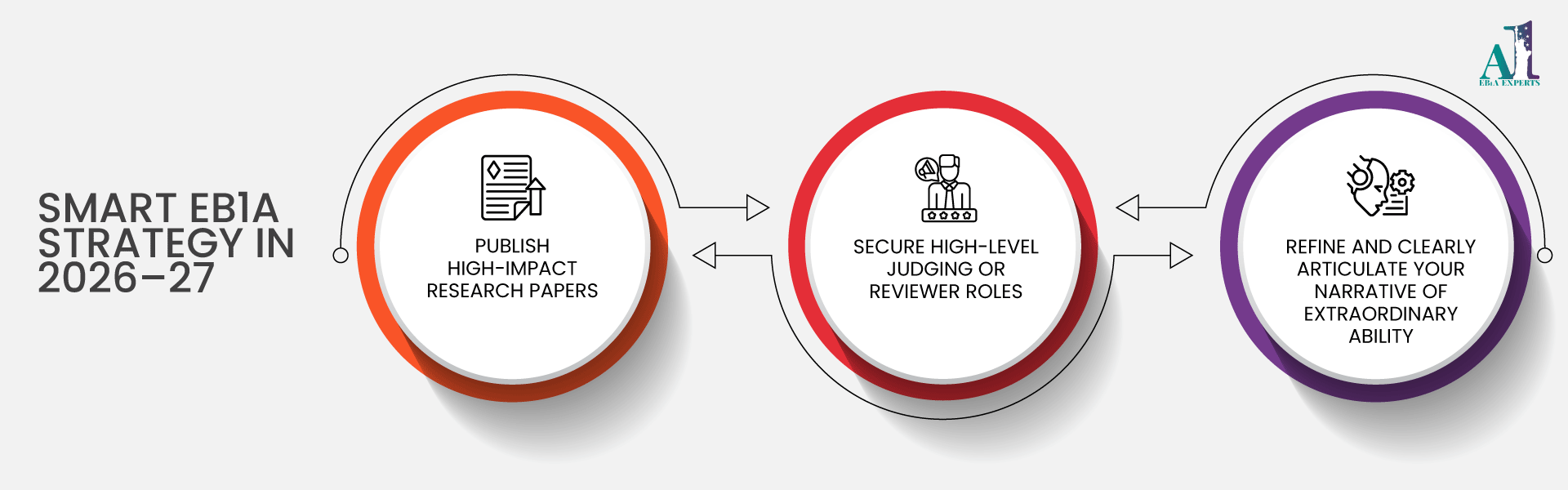
6. Smart EB1A Strategy in 2026–27
Your EB1A
strategy 2026-2027 should be all about control. While you cannot control how many extra
green cards for Indians the government releases, you can control the strength of your petition.
EB1A is a merit-based category, not just a wait-in-line category. Use 2026 to stack your evidence: get
your research papers published, secure those high-level judging roles, and refine your narrative of
extraordinary ability. The goal is to have your I-140 approved and ready so that when 2027 rolls around,
you are not just starting the process; you are crossing the finish line.
7. Conclusion: Hope Is Not a Strategy; Preparation Is
A potential boost of 50,000 green cards is an incredible opportunity, but it is important to remember
that
hope is not a strategy.
The people who will actually get their green cards in 2027 are not the ones who sat back and watched the
news; they are the ones who prepared their cases a year in advance.
If you are serious about EB1A, start building your case now. When the surge happens, you will be glad
you
did.
8. FAQs
1. Does the spillover happen automatically every year?
No. Spillover only occurs when family-based visa categories do not reach their statutory limits within a
given fiscal year. According to the INA, unused family preference visas are added to the
employment-based
limit for the following year. While this happens frequently, the volume of the spillover depends on
USCIS
processing capacity and Department of State visa issuance rates at foreign consulates. For 2027, the
projected EB green card spillover is higher due to current administrative pauses on immigrant
visa
processing for specific nations.
2. Can I use my EB-2 priority date for an EB1A application?
Yes, you can retain and port your earlier priority date from an approved EB-2 petition to a new EB1A
filing. Under USCIS regulations, an applicant with an approved I-140 in the EB-2 category can
"carry
over"
that priority date to a subsequent EB1A petition. This is a common strategy for Indian nationals to
bypass
the employment based visa backlog India. By establishing extraordinary ability in the EB1A
category, you
use your older spot in line to benefit from the faster-moving EB-1 visa bulletin dates.
3. What happens if USCIS does not process the extra visas in time?
If the allocated visa numbers are not used by the end of the fiscal year on September 30, they
effectively expire and are lost. The USCIS must adjudicate the Form I-485 (Adjustment of Status) before
the fiscal year deadline to utilize a spillover number. Historically, high demand has sometimes outpaced
the agency's processing bandwidth, leading to wasted visas. This risk is why having an approved EB1A
visa
petition ready for filing as early as possible in the fiscal year is a critical strategic move.





 January 27, 2026
 3 min read

