
 Enterprise Workflow Optimization
 Designed and implemented end-to-end workflow automations in Pega to streamline complex case lifecycles, reduce manual handoffs, and improve process consistency across business teams. These improvements helped enterprises speed up resolution times and deliver more reliable service outcomes.
AI-Driven Decisioning & Intelligent
Routing Integrated AI-driven decisioning into workflow logic to improve routing accuracy, prioritization, and exception handling. This enabled faster, smarter case distribution and helped organizations reduce delays caused by incorrect triage or repeated rework.
Robotic Process Automation (RPA)
EnablementBuilt automation frameworks that connected Pega workflows with robotic process automation to eliminate repetitive operational tasks. By reducing dependency on manual processing, the solutions improved efficiency at scale and increased throughput for high-volume enterprise operations.
Risk Reduction Through Automation
Governance & ControlsImplemented automation controls, validations, and monitoring within Pega to reduce operational risk and ensure process compliance. This strengthened audit readiness, minimized workflow failures, and helped organizations maintain stable, secure automation across critical systems.

The case was positioned around the applicant’s sustained influence within the enterprise technology ecosystem, highlighting long-term impact across multiple projects, teams, and business environments. Instead of treating the work as a one-time success or a single achievement, the narrative emphasized consistent delivery of high-value automation outcomes through Pega-led workflow modernization, intelligent decisioning, and scalable enterprise implementation. The focus stayed on how the applicant’s expertise shaped real operational transformation inside organizations over time.
Since traditional academic markers like research publications, conferences, or major press recognition were limited, the case relied on evidence that directly demonstrated measurable business value. This included clear impact metrics such as workflow throughput improvements, reduced processing times, increased accuracy, and operational cost savings. Independent expert testimonials were used to validate the technical significance and industry relevance of the applicant’s work, while critical role documentation showed that the applicant held key responsibilities in designing and implementing automation frameworks that enterprise teams depended on.
The applicant is strongly positioned to continue advancing intelligent automation programs across US enterprises by building scalable Pega-driven solutions that improve operational efficiency and decision-making. With proven expertise in workflow optimization, AI-led automation, and RPA integration, the applicant is expected to contribute to initiatives that help organizations reduce processing delays, minimize manual effort, strengthen compliance, and improve overall productivity. Their work supports enterprise modernization goals and enables businesses to scale faster while maintaining reliability and control.
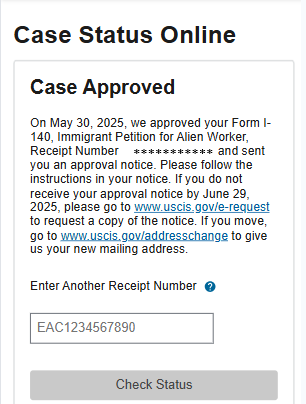
The case was approved successfully, confirming that the applicant’s enterprise-level contributions and sustained impact met the EB1A standard.
25
Days
From evidence consolidation to national-interest framing, every detail is built for credibility and speed.
